
VOICES THAT SHAPE THE JOURNEY
Voices
Many writers and teachers have helped shape what we understand today as spiritual formation. Their wisdom offers practical ways to grow in character, purpose, and love.
Here, we highlight some of these thought leaders as companions for your own journey of discovery—voices that invite reflection, learning, and deeper connection to the way of Jesus and the life He modeled.
MYSTICS (251–1591 CE)
MASTERS (1614–1996 CE)
MYSTICS (251–1591 CE)

Anthony grounds Formation Church’s conviction that spiritual formation begins with attentiveness to the inner life. His desert spirituality reveals that withdrawal is not escape, but preparation for faithful engagement with the world.
- Formation as interior purification, not external behavior management
- Awareness of thoughts and desires as the primary arena of formation
- Simplicity and prayer as pathways to freedom and clarity of heart
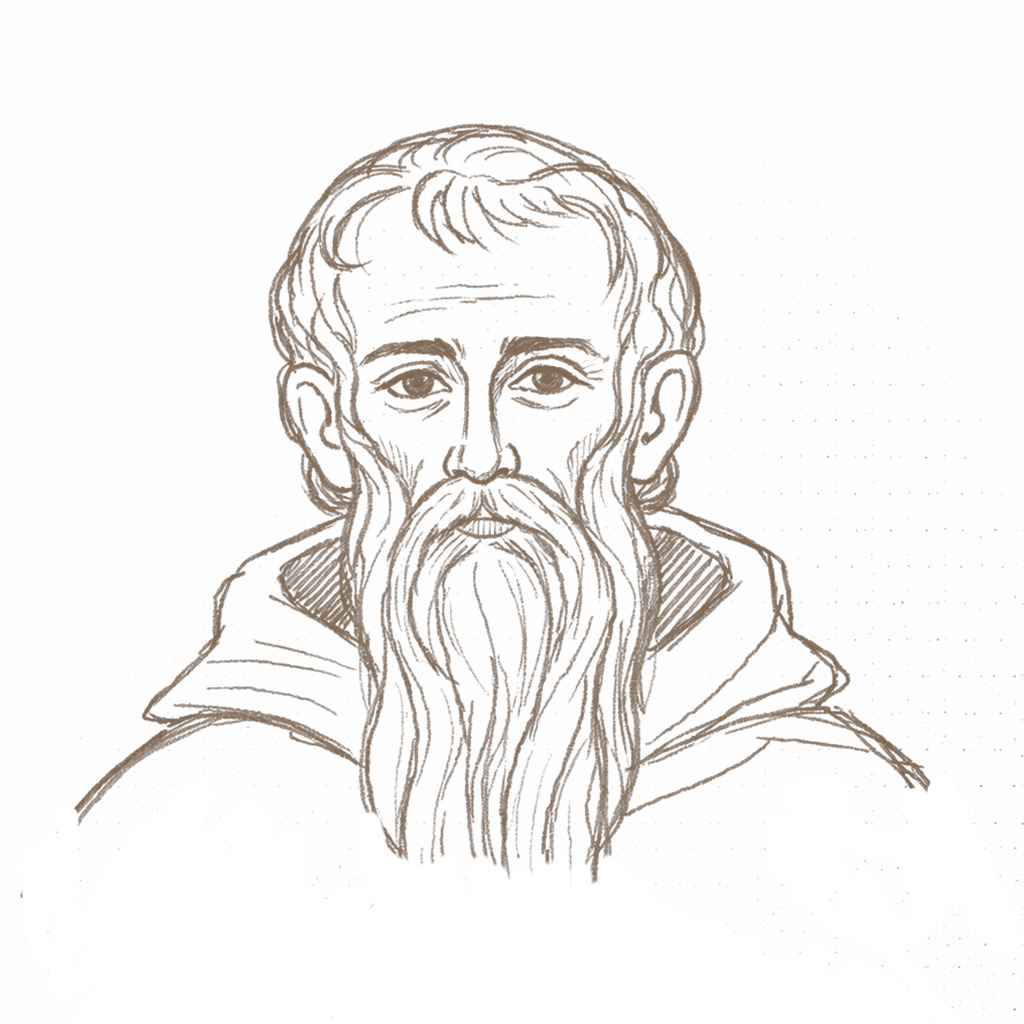
Cassian shapes Formation Church’s understanding of formation as a long, patient process aimed at purity of heart. His emphasis on watchfulness informs the daily, intentional nature of spiritual practices.
- Purity of heart as the true goal of spiritual life
- Watchfulness over thoughts as a practice of transformation
- Formation through steady habits rather than spiritual intensity
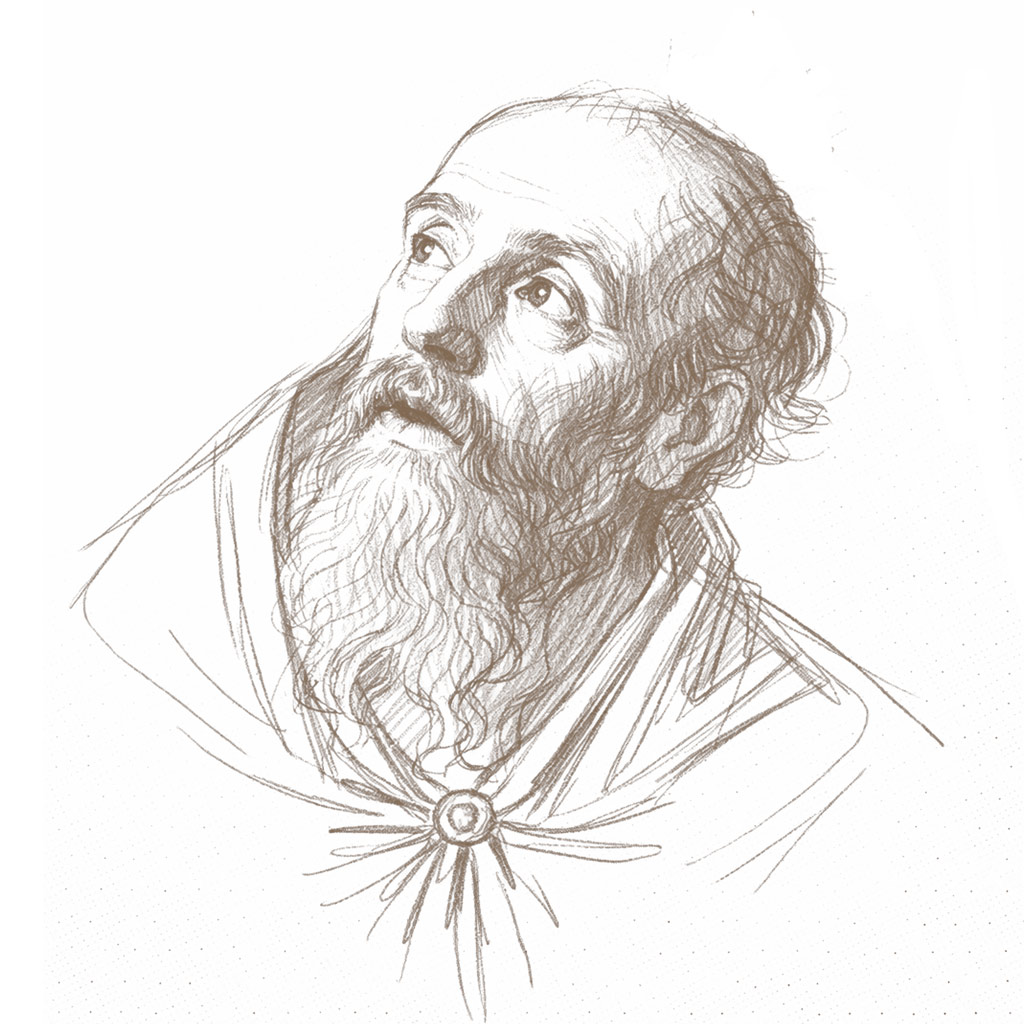
Augustine anchors Formation Church’s belief that transformation is ultimately the work of grace, not self-effort. His vision of the restless heart frames formation as a journey of reordered love.
- Interior journey toward God through desire and memory
- Grace as the foundation of all transformation
- Love as the organizing center of the human life
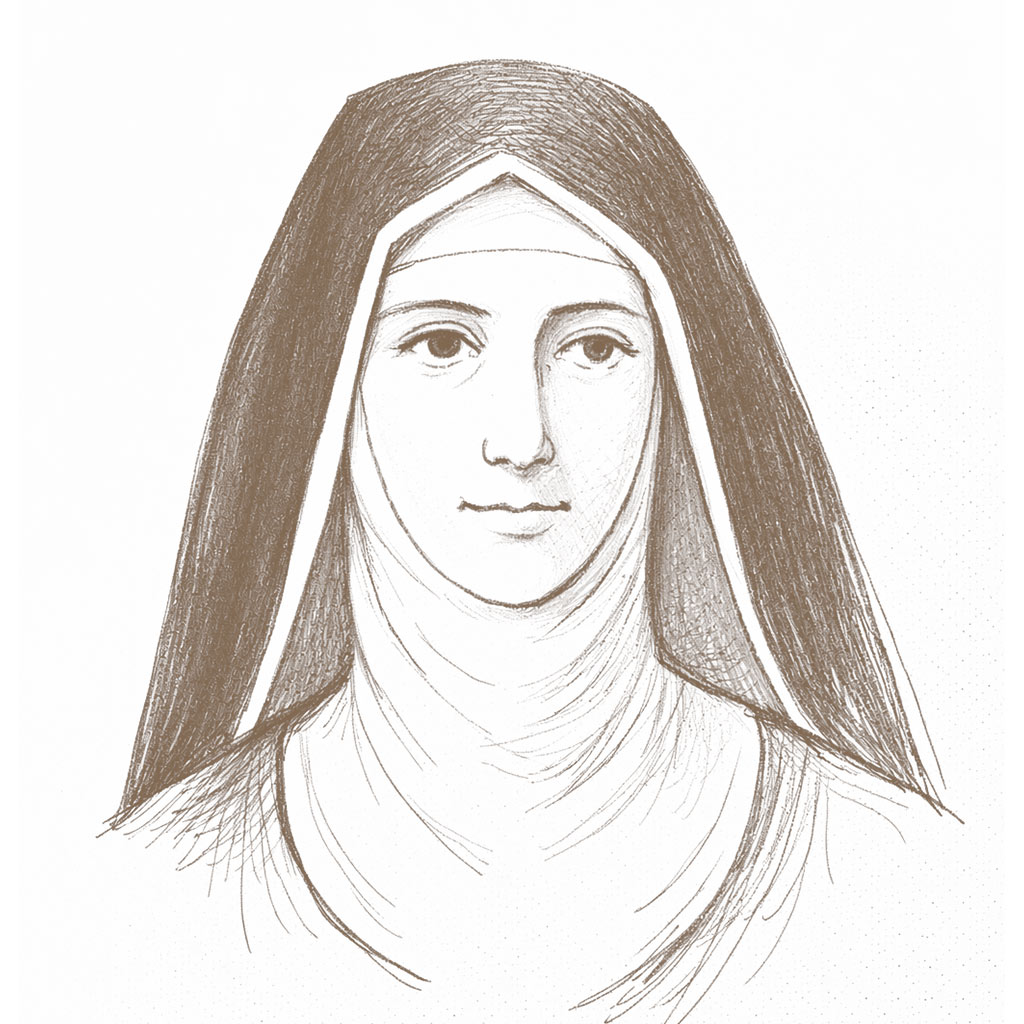
Hildegard expands Formation Church’s imagination for formation as holistic—integrating body, soul, creativity, and creation. Her vision affirms that spiritual vitality flows into every dimension of life.
- Formation as participation in God’s life-giving vitality (viriditas)
- Integration of art, healing, and spirituality
- Creation as a context for spiritual awakening
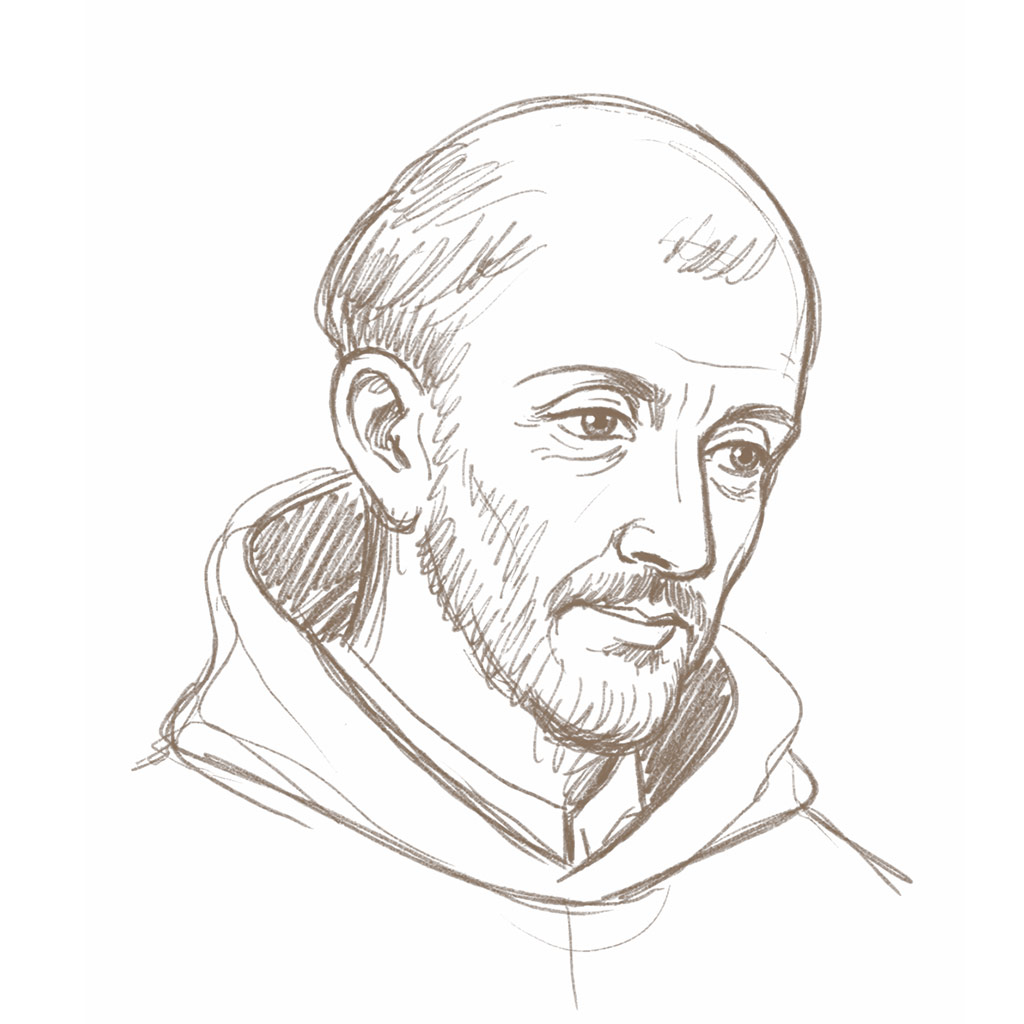
Bernard informs Formation Church’s conviction that love—not knowledge or achievement—is the true measure of spiritual maturity. Formation is a slow deepening of desire toward God.
- Growth through stages of love
- Scripture as nourishment for contemplative life
- Desire as the engine of transformation
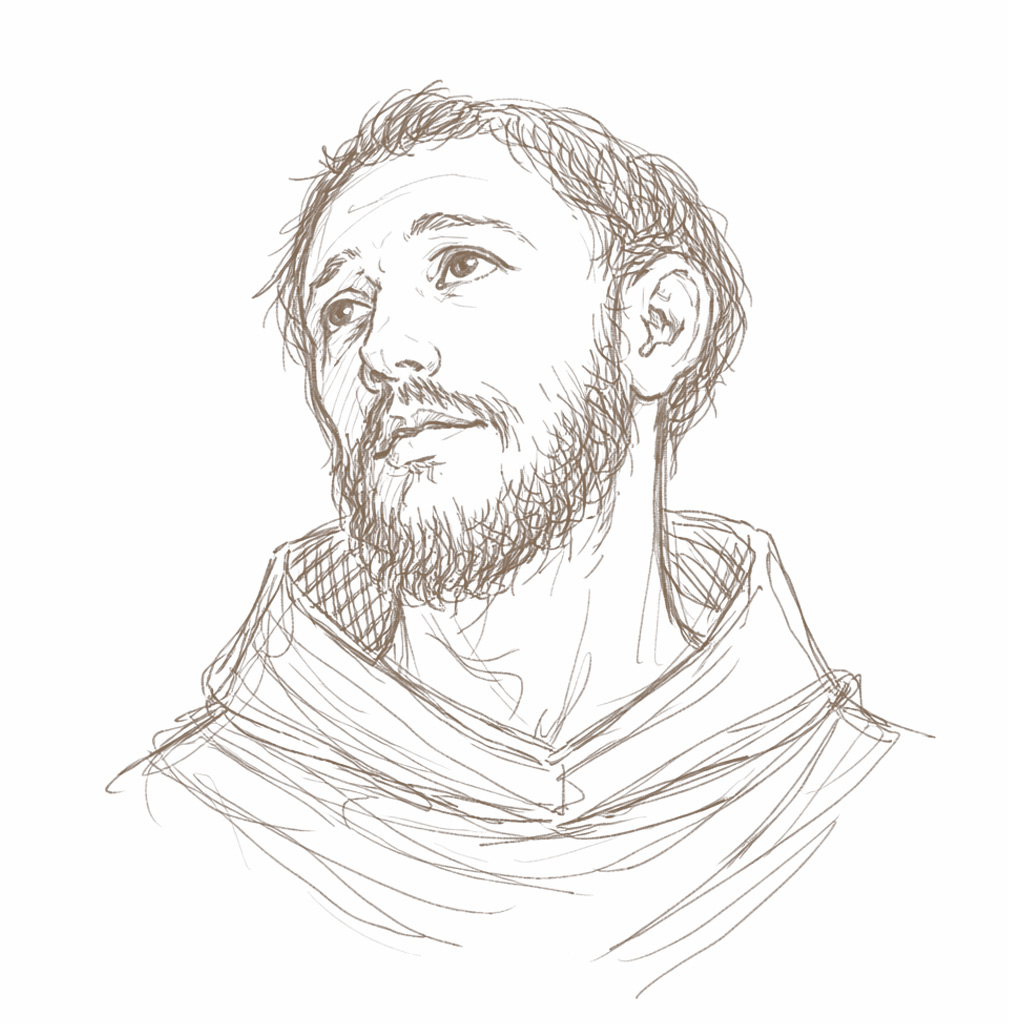
Francis embodies Formation Church’s vision of formation expressed through embodied love, simplicity, and joy. His life demonstrates that inner transformation naturally overflows into mercy and peacemaking.
- Simplicity and poverty as freedom, not deprivation
- Embodied discipleship rooted in humility
- Love for creation as spiritual formation
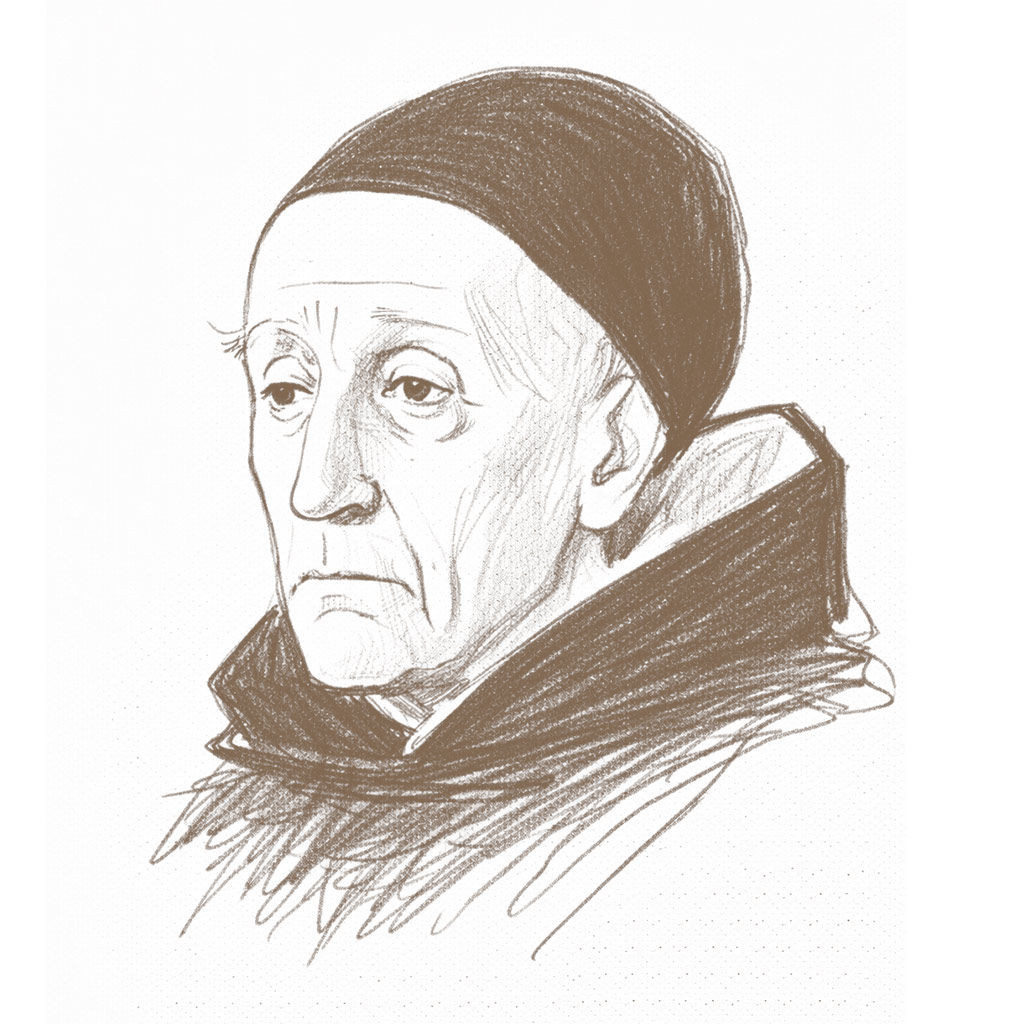
Eckhart shapes Formation Church’s language around inner stillness and surrender. He reminds us that formation involves releasing ego so that God’s life may take root within us.
- Detachment as freedom for love
- God encountered in the depths of the soul
- Formation beyond performance and religious striving
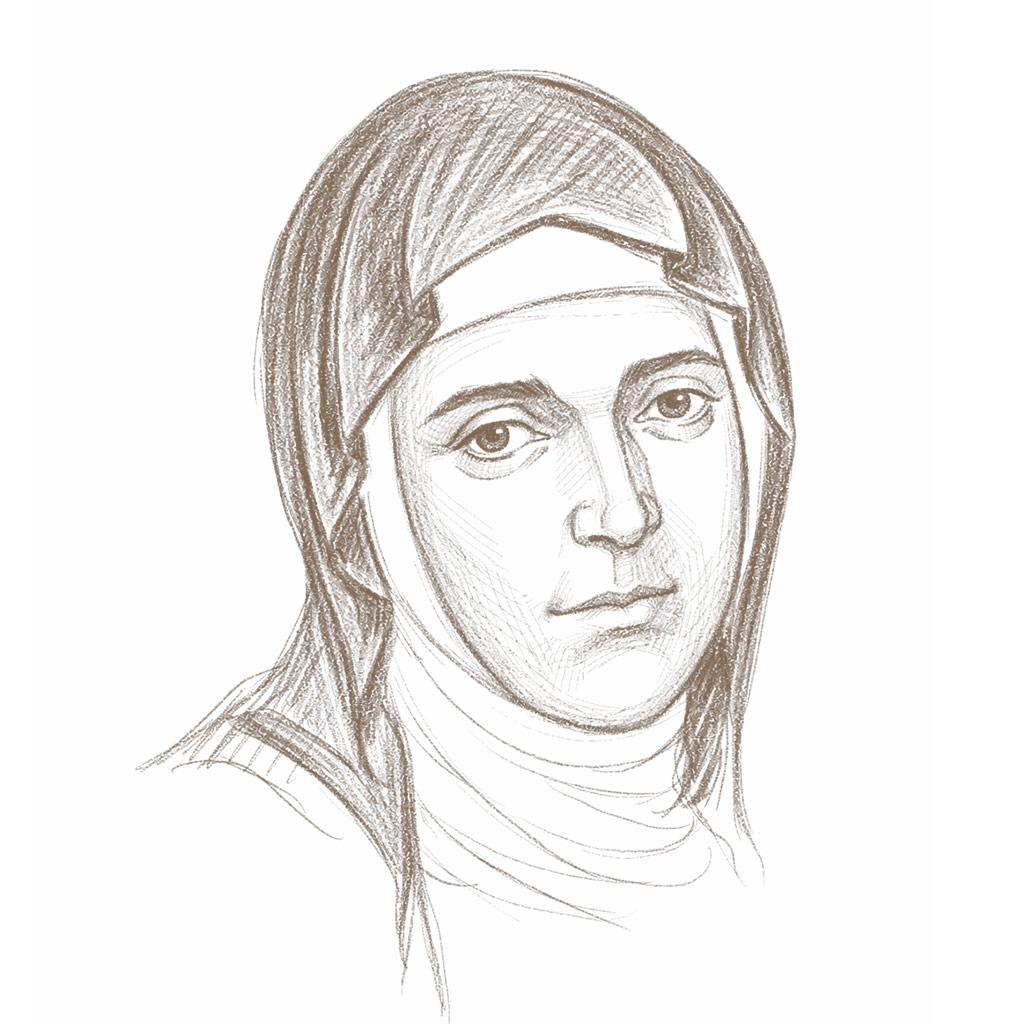
Julian reinforces Formation Church’s trust in God’s love as the foundation of transformation. Her vision nurtures hope, especially amid suffering and uncertainty.
- God’s love as deeper than judgment
- Hope rooted in God’s faithfulness
- Formation grounded in trust rather than fear

Catherine shapes Formation Church’s understanding that deep intimacy with God leads to courageous love in the world. Formation joins contemplation and action.
- Love of God expressed through love of neighbor
- Inner surrender producing outward courage
- Union with God fueling faithful engagement
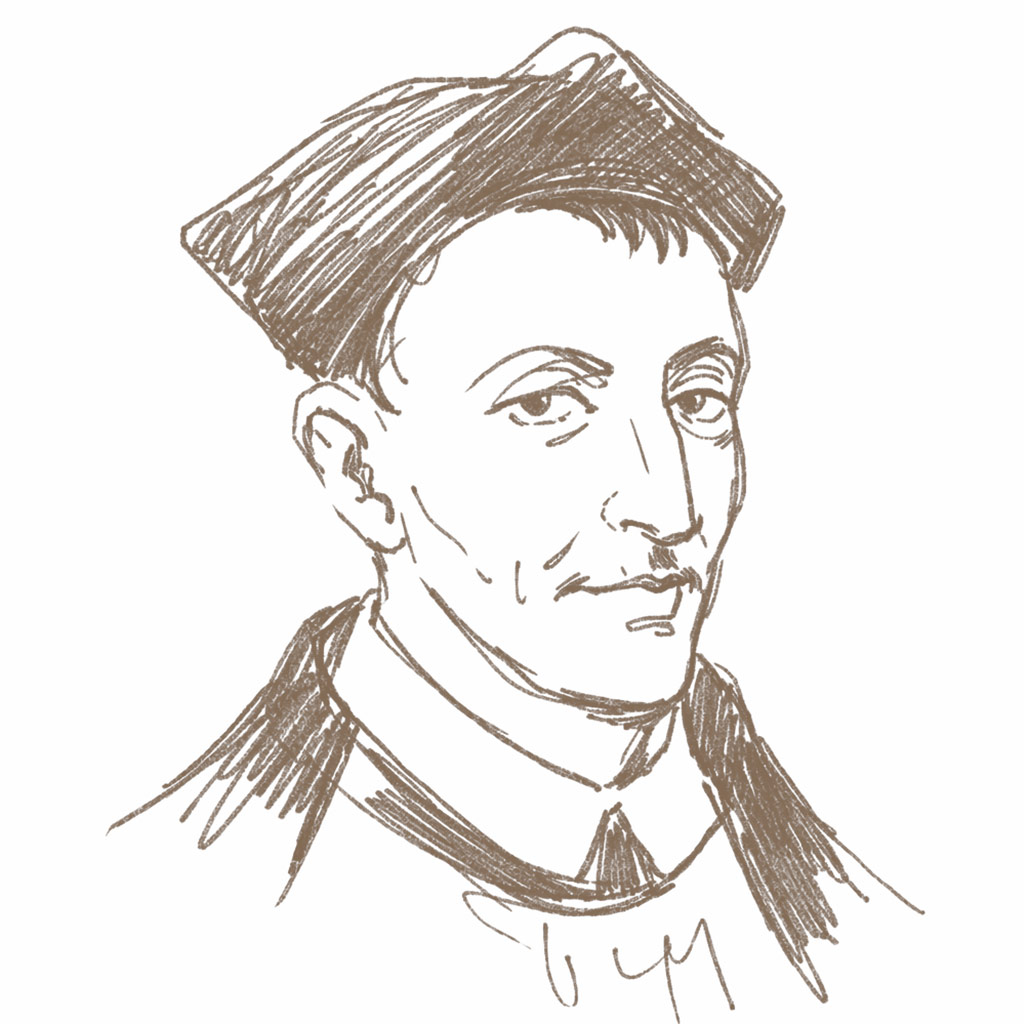
Thomas grounds Formation Church’s emphasis on humility and hiddenness. His work reminds us that formation often occurs quietly through daily surrender.
- Imitation of Christ as the heart of discipleship
- Hidden faithfulness over recognition
- Daily obedience shaping character
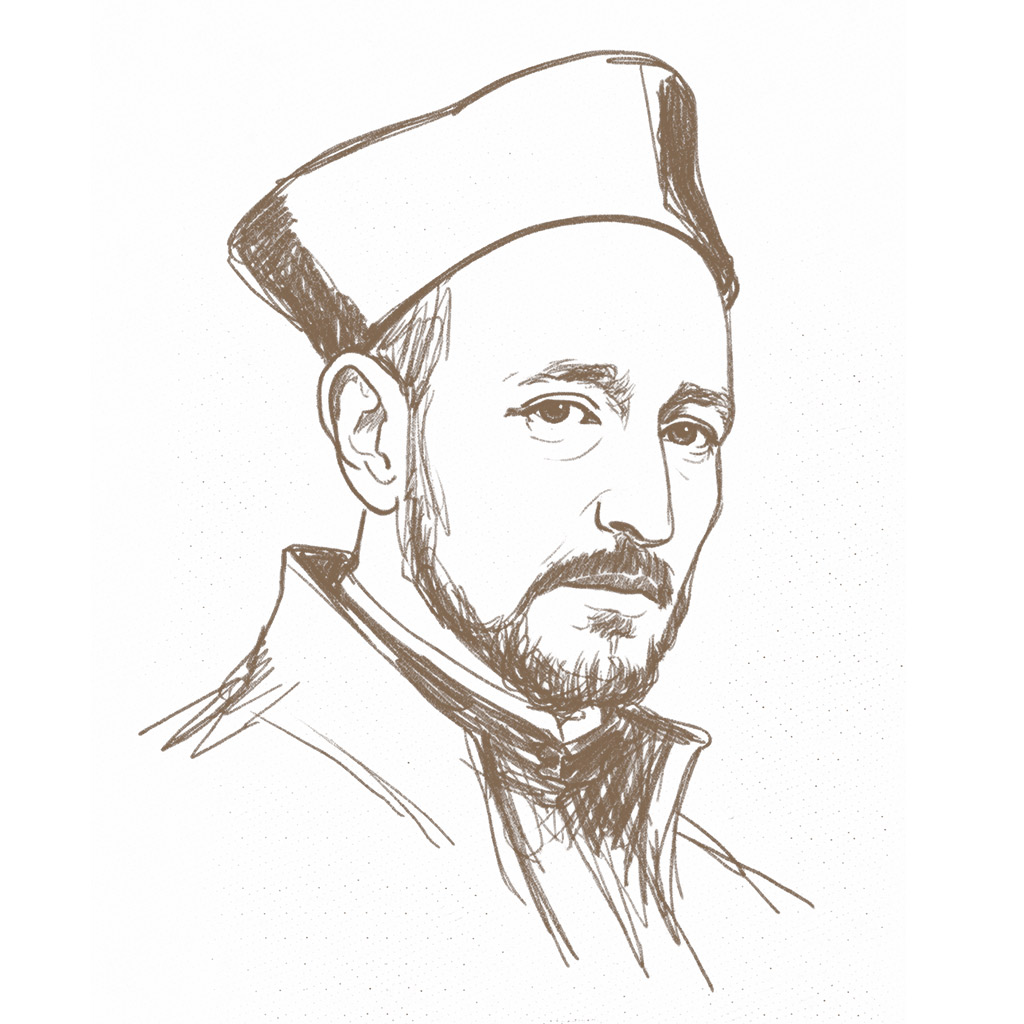
Ignatius provides Formation Church with a framework for discernment and attentiveness to God in everyday life. His practices train believers to notice how God is already present and active.
- Discernment of spirits
- Contemplation in action
- Daily awareness through the Examen

Teresa shapes Formation Church’s vision of formation as an inward journey toward loving union with God. Her metaphor of the soul invites patience and humility in growth.
- Prayer as relational intimacy
- Gradual transformation through grace
- Union producing love and service
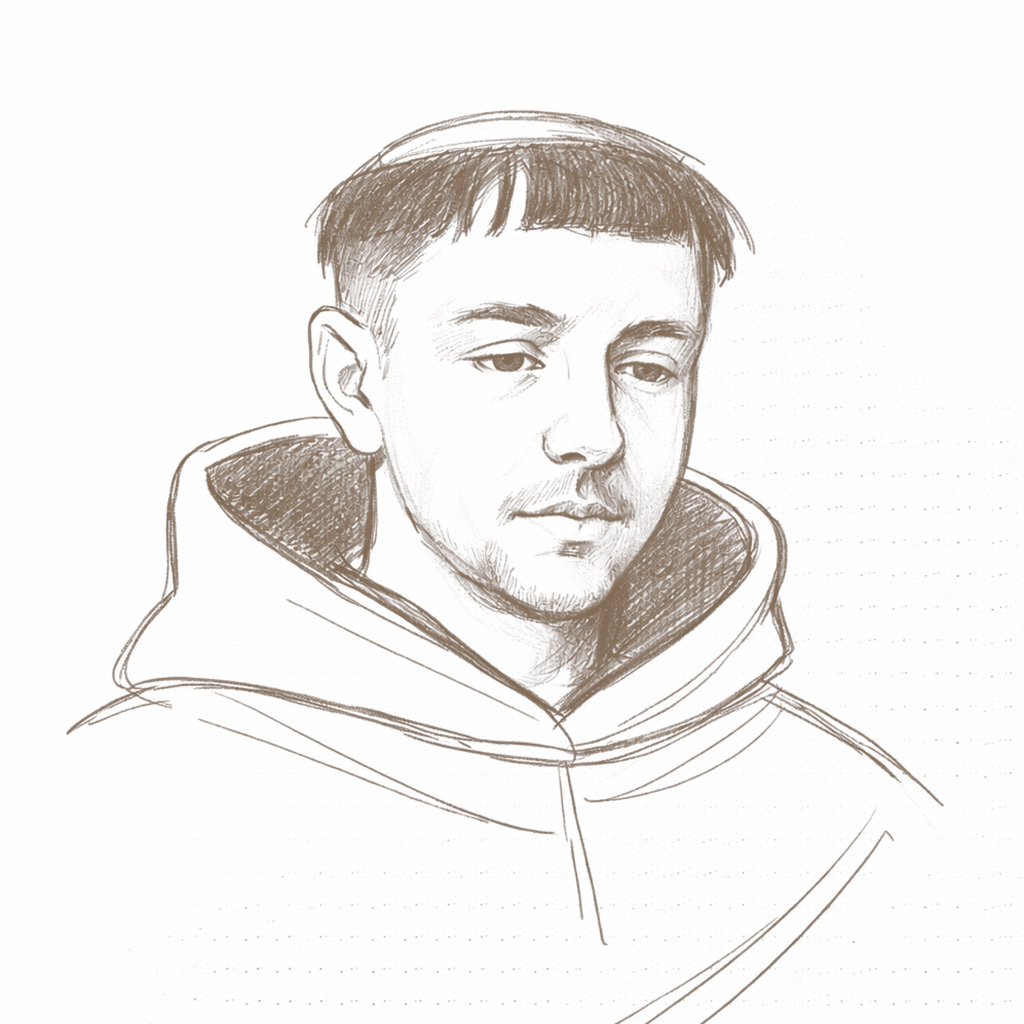
John informs Formation Church’s understanding of suffering and unknowing as formative spaces. Formation often deepens through surrender rather than clarity.
- Dark night as purification, not abandonment
- Detachment leading to freedom
- Trust in God amid loss of control
MASTERS (1614–1996 CE)
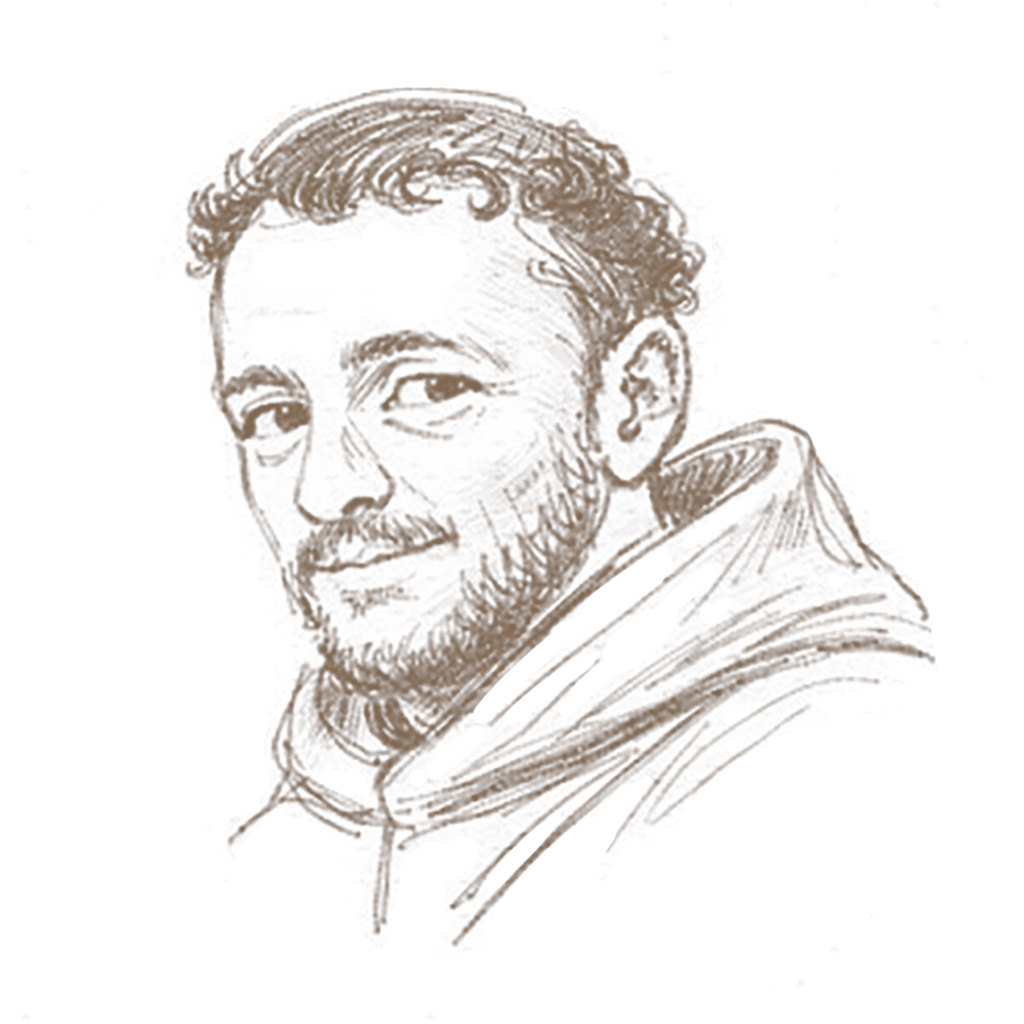
Brother Lawrence reinforces Formation Church’s belief that formation happens in ordinary life. God’s presence is cultivated through simple, continual attention.
- Practicing God’s presence daily
- Ordinary work as sacred space
- Simplicity in prayer and trust
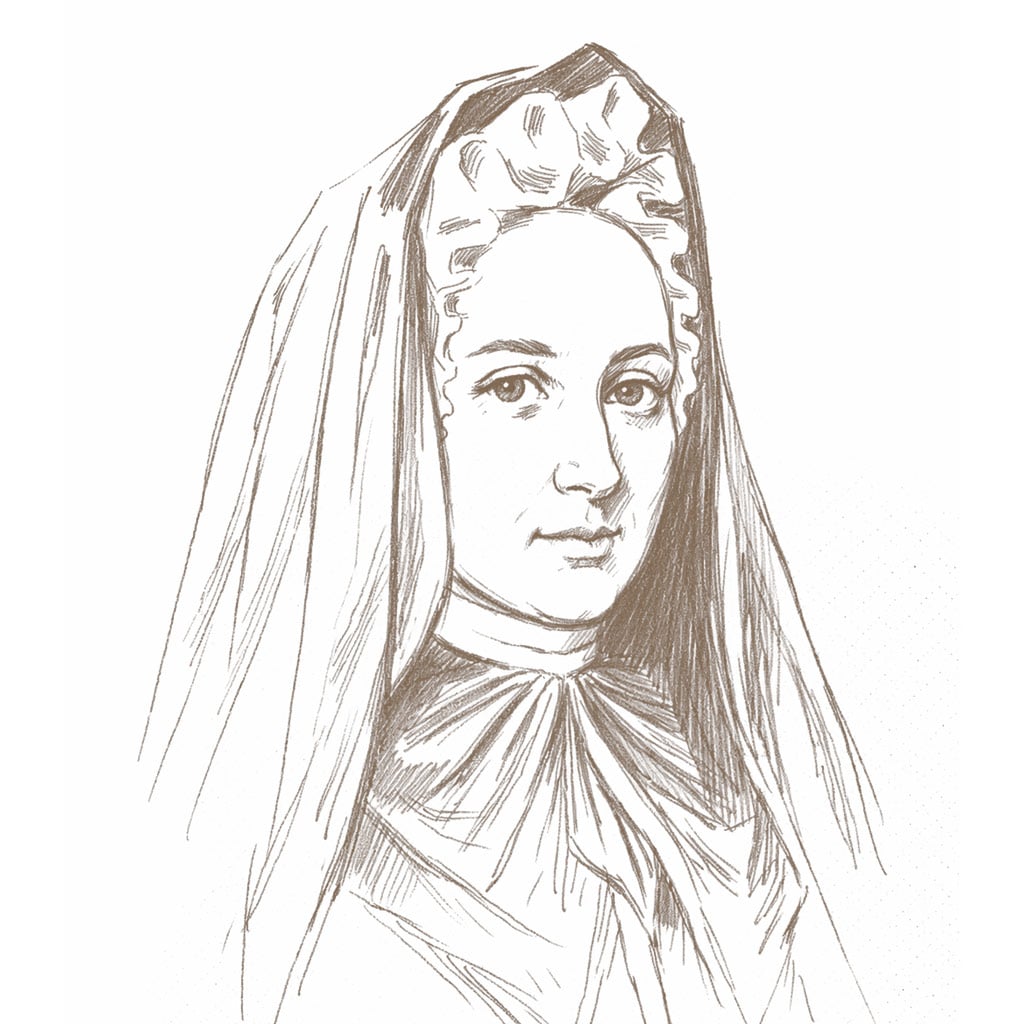
Guyon contributes to Formation Church’s emphasis on surrender and interior rest. Formation unfolds as the soul yields to God’s loving initiative.
- Prayer of quiet
- Interior surrender
- Union through love rather than effort
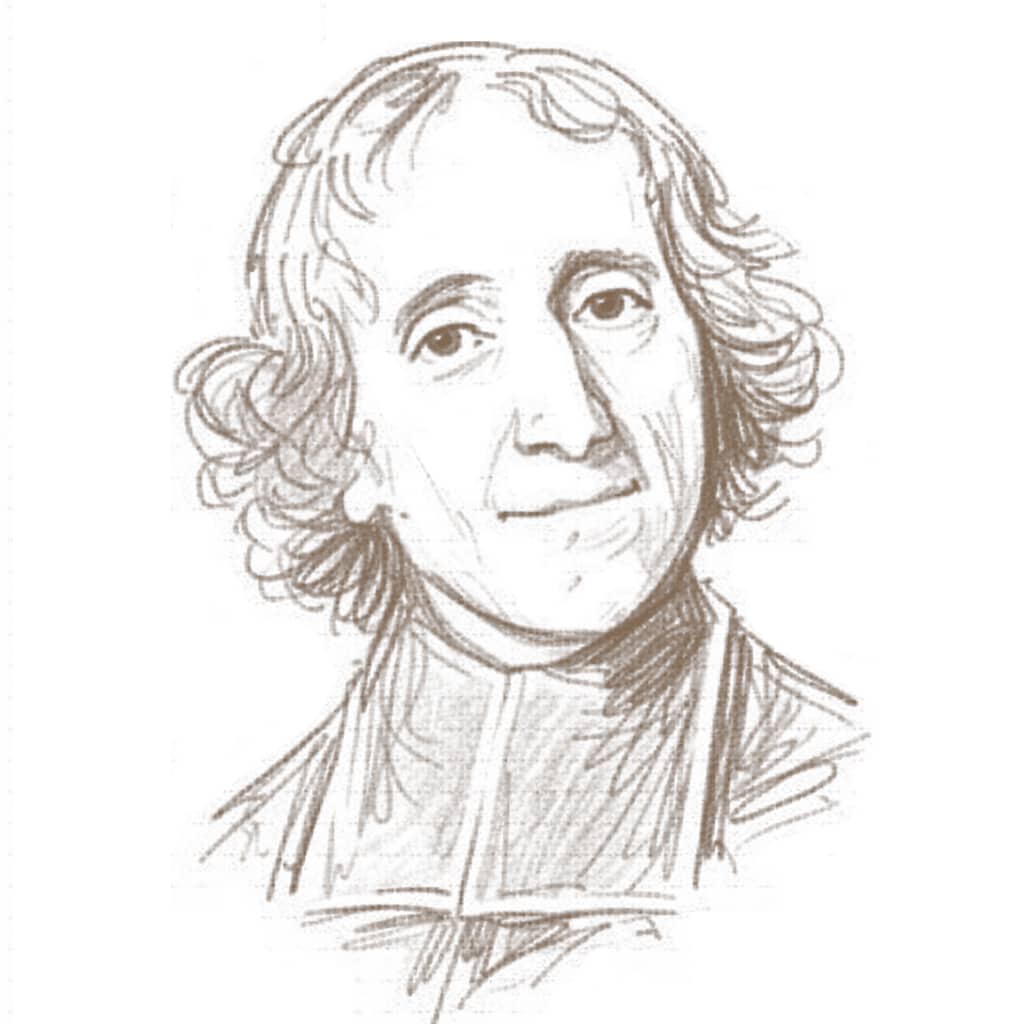
Francois Fénelon shapes Formation Church’s view of detachment as freedom for love. Formation refines desire away from self-interest toward trust in God.
- Surrender of self-will
- Love shaped by humility
- Trust through suffering
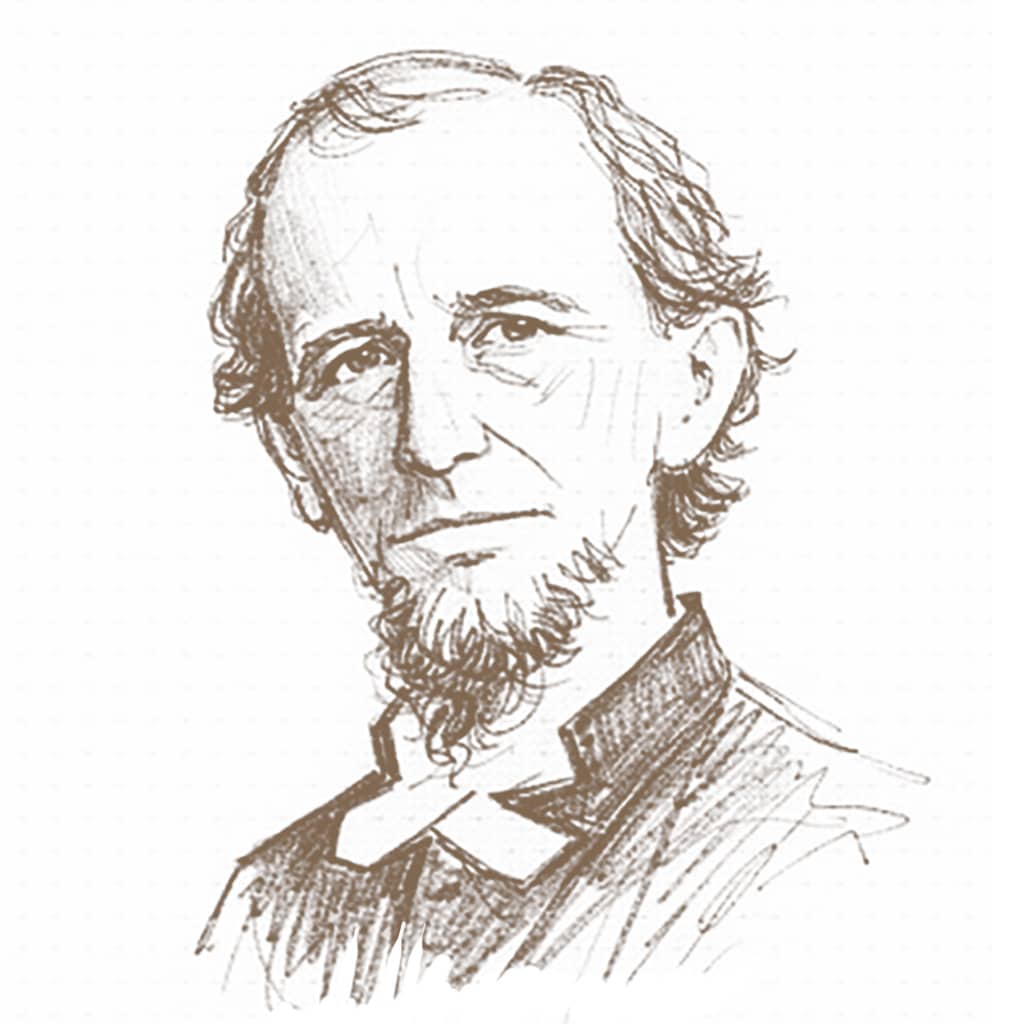
Murray reinforces Formation Church’s emphasis on abiding in Christ as the center of transformation. Formation flows from dependence, not striving.
- Abiding as spiritual posture
- Humility as foundation
- Prayer as participation in God’s work
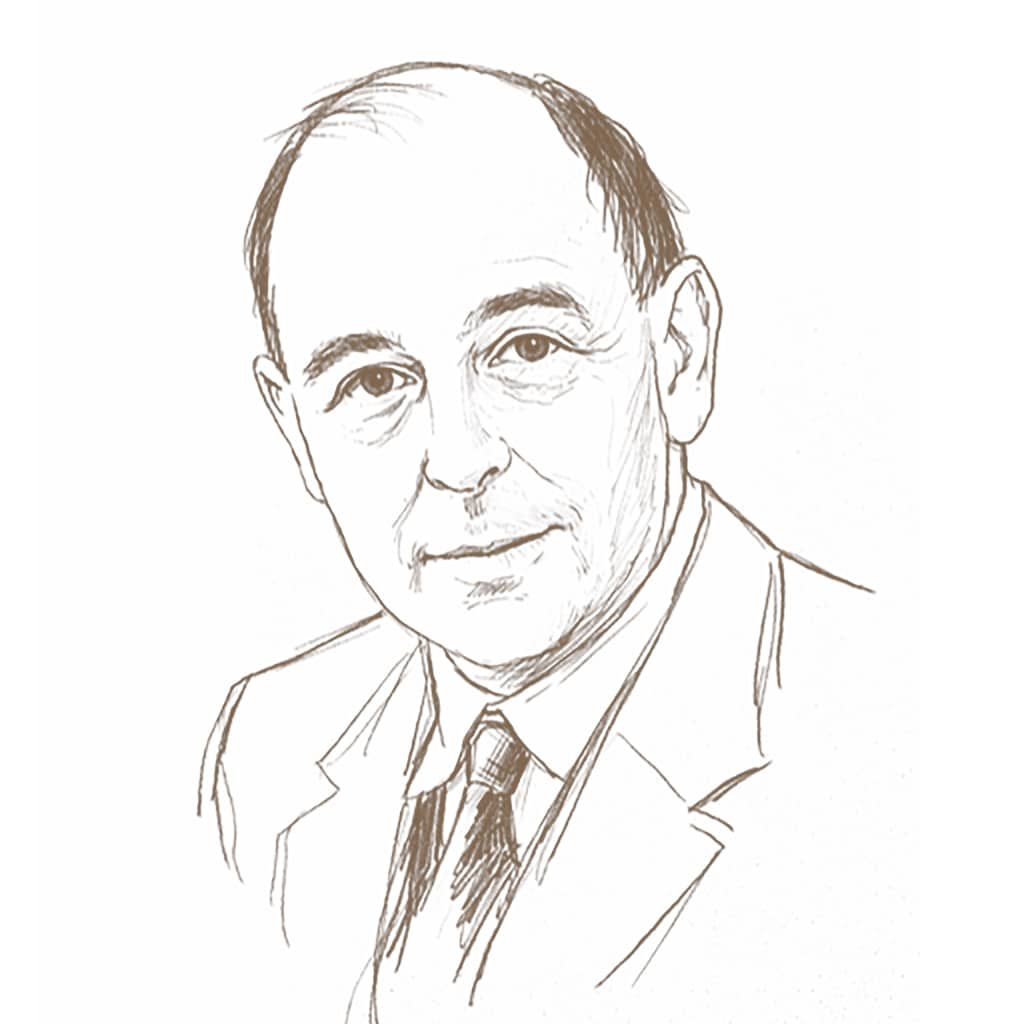
Lewis contributes Formation Church’s use of imagination and reason in formation. Desire becomes a guide toward God’s deeper reality.
- Moral formation of the whole person
- Imagination shaping faith
- Desire pointing beyond itself

Nee informs Formation Church’s understanding of life in the Spirit. Formation involves dying to self and living from Christ’s resurrection life.
- Identification with Christ
- Spirit-led living
- Corporate formation in the church

Bonhoeffer reinforces Formation Church’s conviction that spiritual formation is not merely personal growth but faithful apprenticeship to Jesus expressed through obedience, community, and sacrificial love.
- Costly discipleship
- Christian community
- Obedience to Christ
- Grace and faithful witness
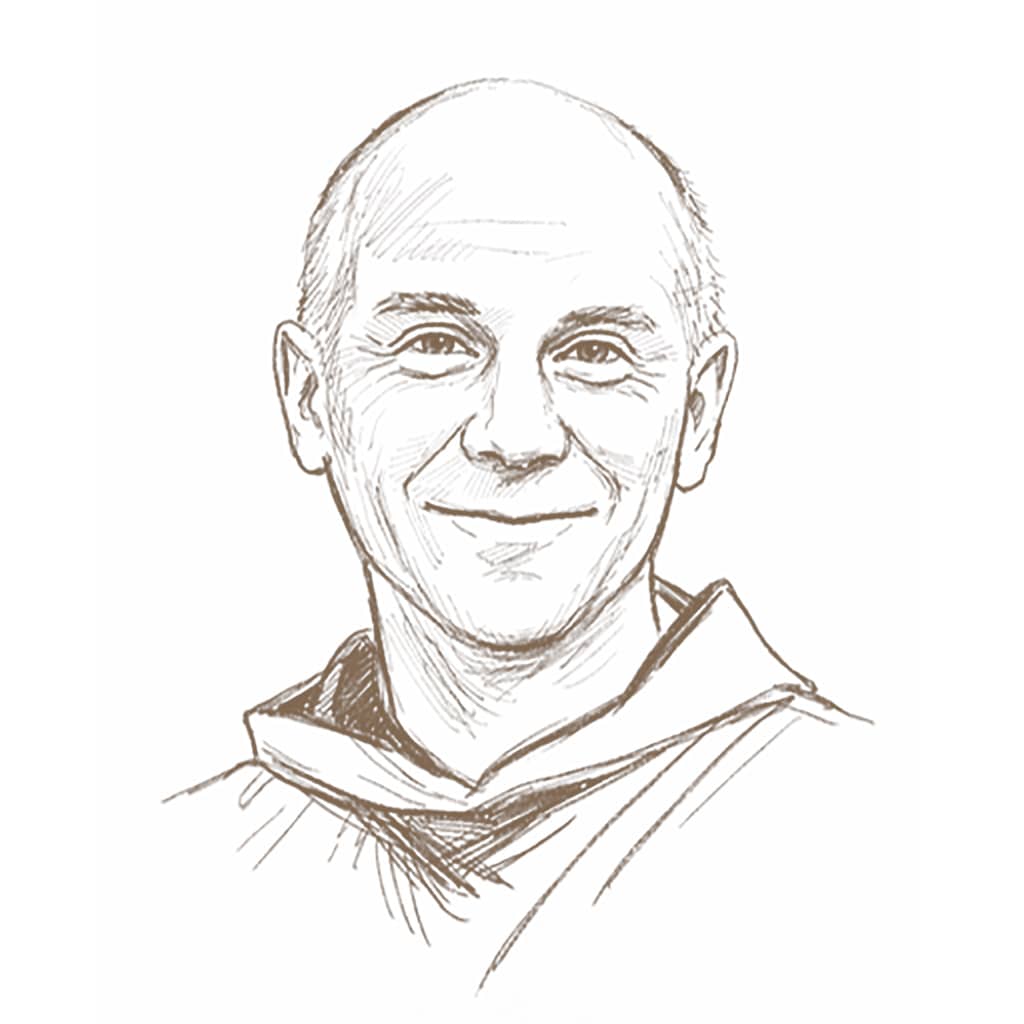
Merton shapes Formation Church’s integration of contemplation and justice. Inner silence reveals the true self and fuels compassionate engagement.
- True self found in God
- Silence as resistance to false identity
- Contemplation leading to love of neighbor
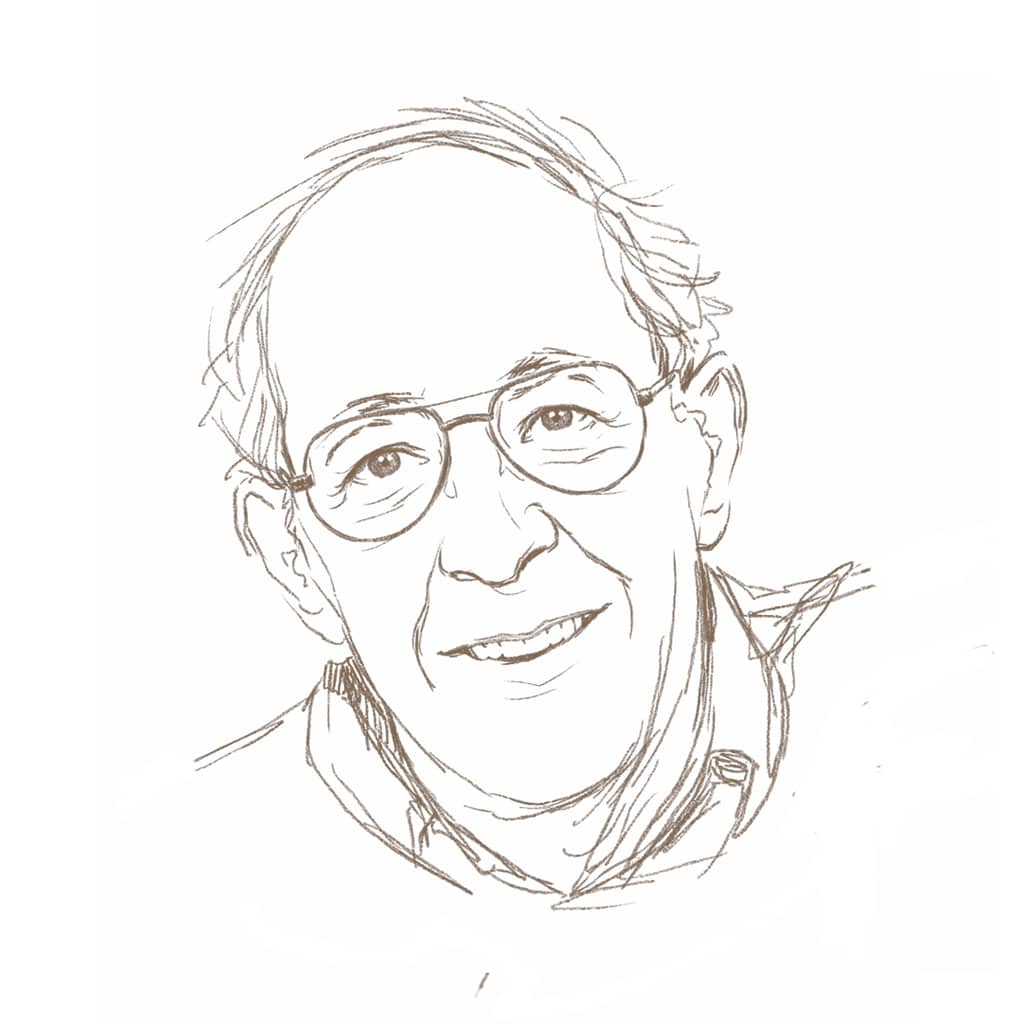
Nouwen anchors Formation Church’s language of belovedness and vulnerability. Formation involves embracing weakness as a place of grace.
- Identity as beloved
- Wounded healer posture
- Community as formative space
CONTEMPORARY GUIDES (1935 – PRESENT)
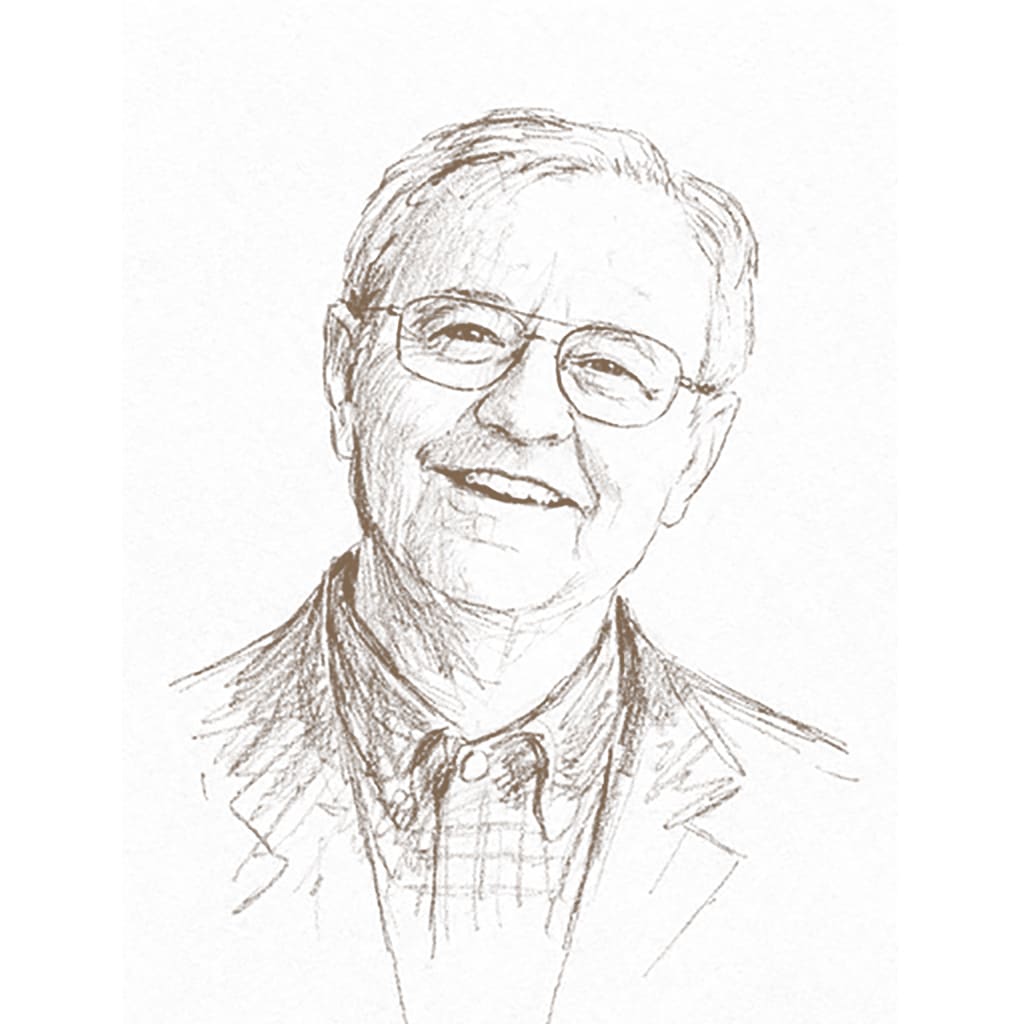
Willard shapes Formation Church’s core framework of apprenticeship to Jesus. Formation is the renovation of the heart through intentional participation with grace.
- Vision–Intention–Means model
- Grace opposed to earning, not effort
- Kingdom of God as present reality
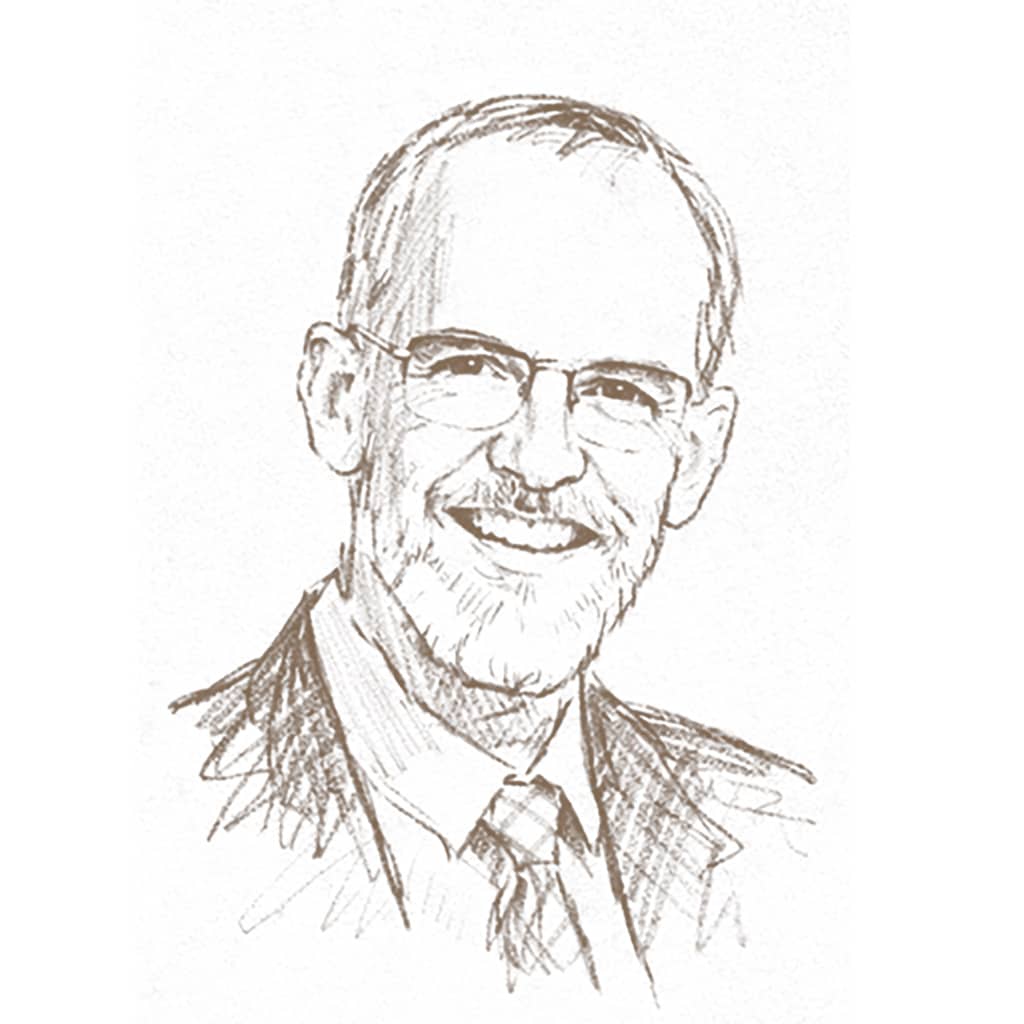
Mulholland informs Formation Church’s definition of formation as being shaped into Christlikeness for the sake of others.
- Process, not event
- False self to true self
- Formation for love and service
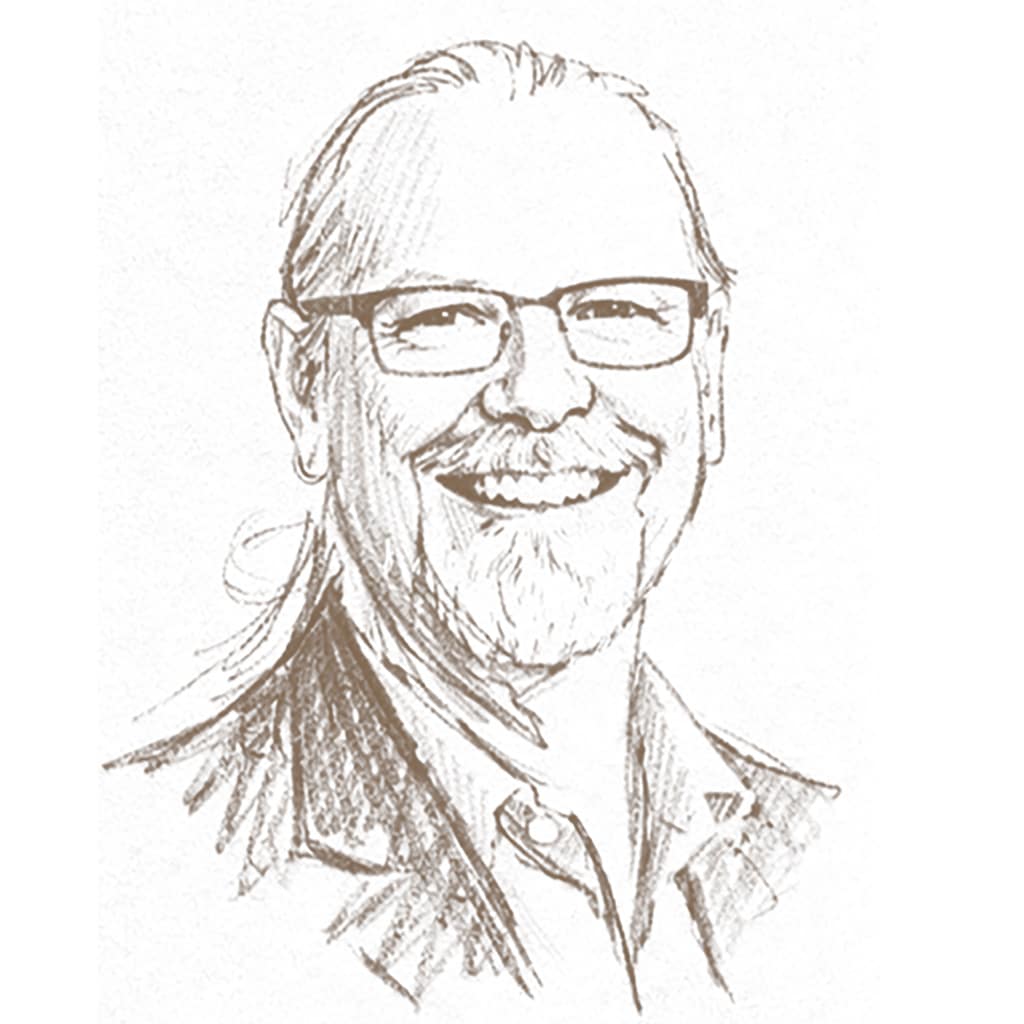
Foster provides Formation Church with accessible pathways through the classic disciplines, rooting practice in grace rather than performance.
- Spiritual disciplines as grace-filled pathways
- Integration of action and contemplation
- Joy as a sign of healthy formation
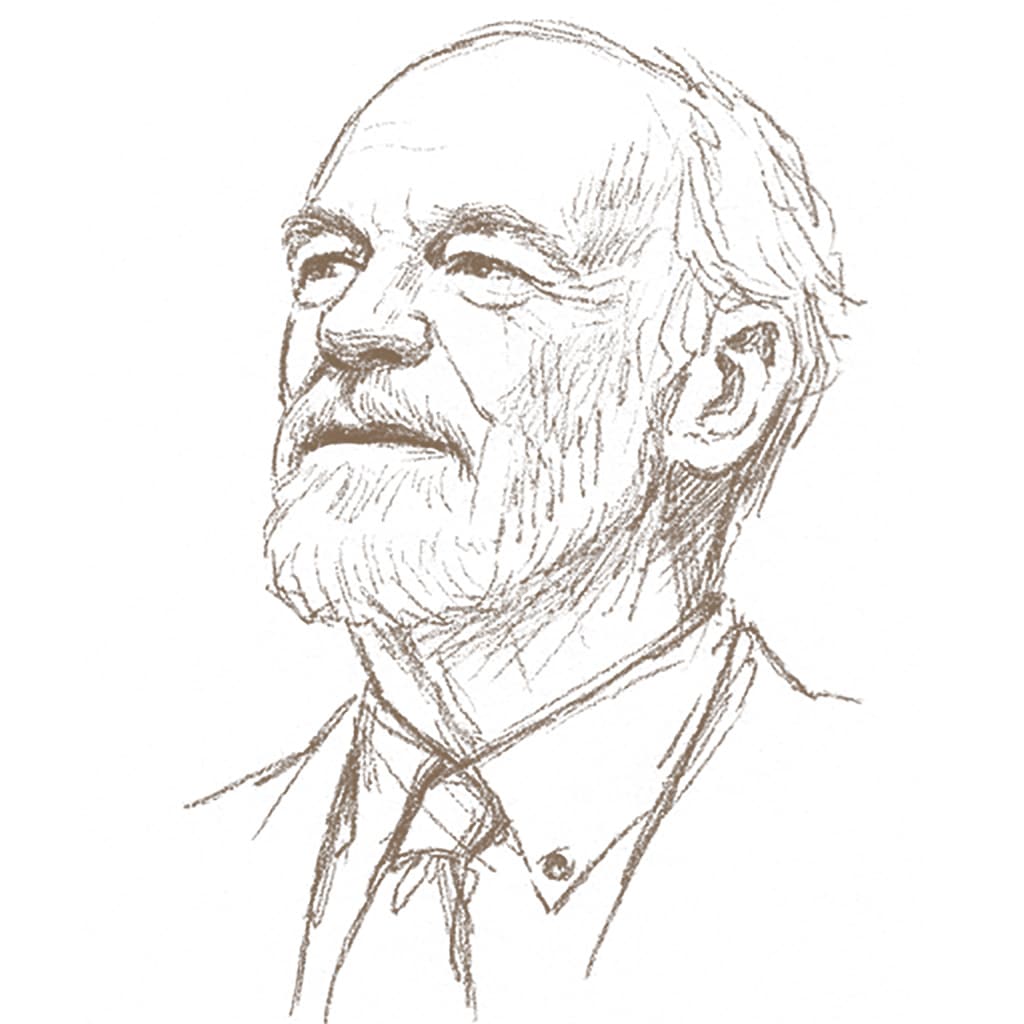
Peterson reinforces Formation Church’s commitment to slow, faithful discipleship rooted in Scripture and community.
- Long obedience over time
- Scripture as lived reality
- Pastoral faithfulness over celebrity

Barton shapes Formation Church’s emphasis on rhythms that sustain leaders and communities through attentiveness to God.
- Solitude and silence
- Discernment in community
- Leadership grounded in soul care

Hudson reinforces Formation Church’s language of friendship with God. Formation is relational, accessible, and rooted in lived experience.
- Spiritual friendship
- Story and healing
- Simple, approachable practices

Ortberg supports Formation Church’s emphasis on formation in everyday life. Transformation happens through small, faithful choices.
- Soul care
- Ordinary discipleship
- Community as growth context
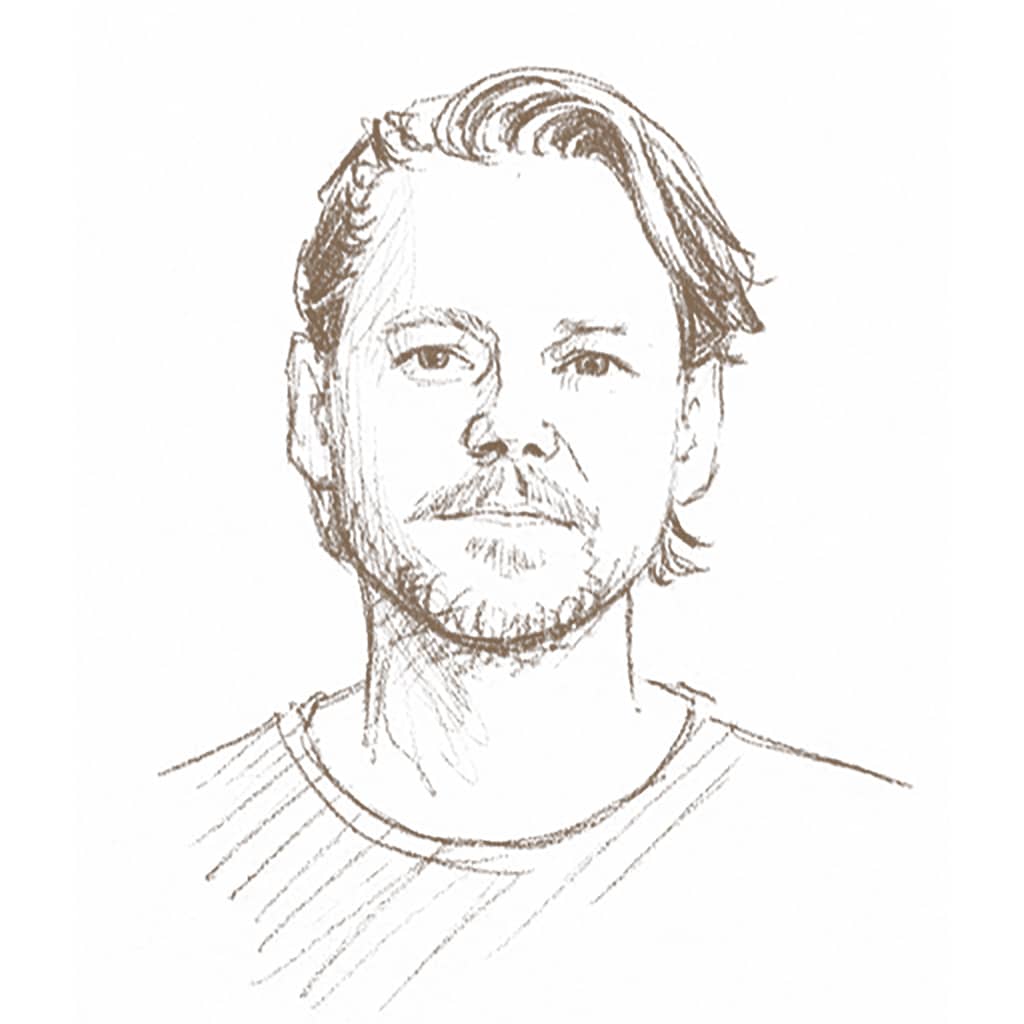
Comer translates ancient formation practices for a modern, distracted world. Formation requires resistance to hurry and intentional rhythms of life.
- Counter-formation to cultural speed
- Rule of life
- Practice-based apprenticeship